Page 15 of 130 • 1560 Total Articles

createLiveAI

Continue exploring the latest AI breakthroughs, technology insights, and industry analysis. Page 15 of our comprehensive AI news collection.

📰 Latest Intelligence

Showing 12 articles on page 15 of 130

Live feed
General
📄 The Hacker News

Winning Against AI-Based Attacks Requires a Combined Defensive Approach

Adversaries are increasingly leveraging Large Language Models (LLMs) to enhance cyberattack capabilities, enabling real-time concealment of malicious code and dynamic generation of malicious scripts. This offensive AI development complicates detection efforts by allowing malware to adapt and morph continuously, significantly raising the sophistication and stealth of cyber threats.

Google AI
Read More
Ethics
📄 MarkTechPost

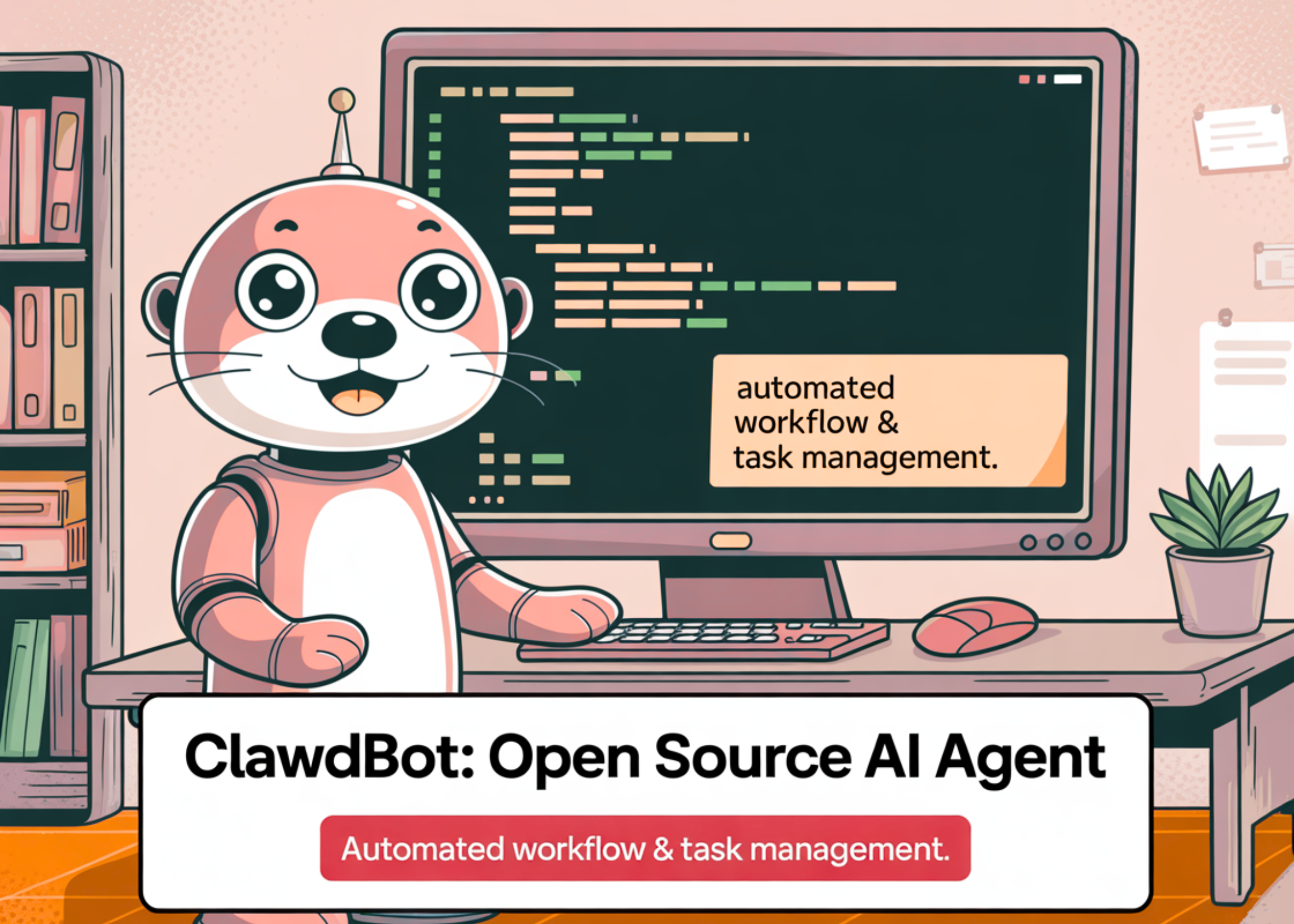
What is Clawdbot? How a Local First Agent Stack Turns Chats into Real Automations

Clawdbot represents a significant advancement in personal AI assistant technology by enabling users to run a customizable, open-source AI on their own hardware, integrating large language models from providers like Anthropic and OpenAI with real-world tools such as messaging apps, files, browsers, and smart home devices. Its architecture centers around a Gateway process that manages message routing, tool invocation, and model selection across multiple channels, ensuring user control and privacy. The system's core innovation lies in its implementation of a typed workflow engine called Lobster, which transforms model interactions into deterministic, automatable pipelines, facilitating reliable and repeat

GPT Claude
Read More
General
📄 MarkTechPost

A Coding Implementation to Automating LLM Quality Assurance with DeepEval, Custom Retrievers, and LLM-as-a-Judge Metrics

A recent development in AI evaluation introduces the integration of the DeepEval framework to enhance the rigor of large language model (LLM) assessments through automated unit-testing. This approach transforms model outputs into testable code and employs LLM-as-a-judge metrics, enabling systematic validation of retrieval and generation processes, thereby reducing reliance on manual inspection and increasing evaluation consistency. By establishing a high-performance environment with tailored package management and leveraging DeepEval's capabilities, the system creates a structured pipeline that rigorously measures LLM performance against academic-standard metrics. This innovation facilitates more reliable, scalable, and objective quality assurance for L

Research
📄 Towards Data Science

Azure ML vs. AWS SageMaker: A Deep Dive into Model Training Part 1

Azure Machine Learning (Azure ML) and AWS SageMaker are compared in terms of their capabilities for scalable model training, with particular emphasis on project setup, permission management, and data storage architectures. This comparison aims to help organizations select the platform that best aligns with their existing cloud infrastructure and MLOps workflows, ensuring seamless integration and efficient deployment. The analysis highlights key technical differences, such as Azure ML's integration with Azure's ecosystem and its approach to role-based access control, versus SageMaker's tight coupling with AWS services and its data management patterns. These distinctions are crucial for optimizing model training pipelines, managing

Microsoft Machine Learning
Read More
Technology
📄 MarkTechPost

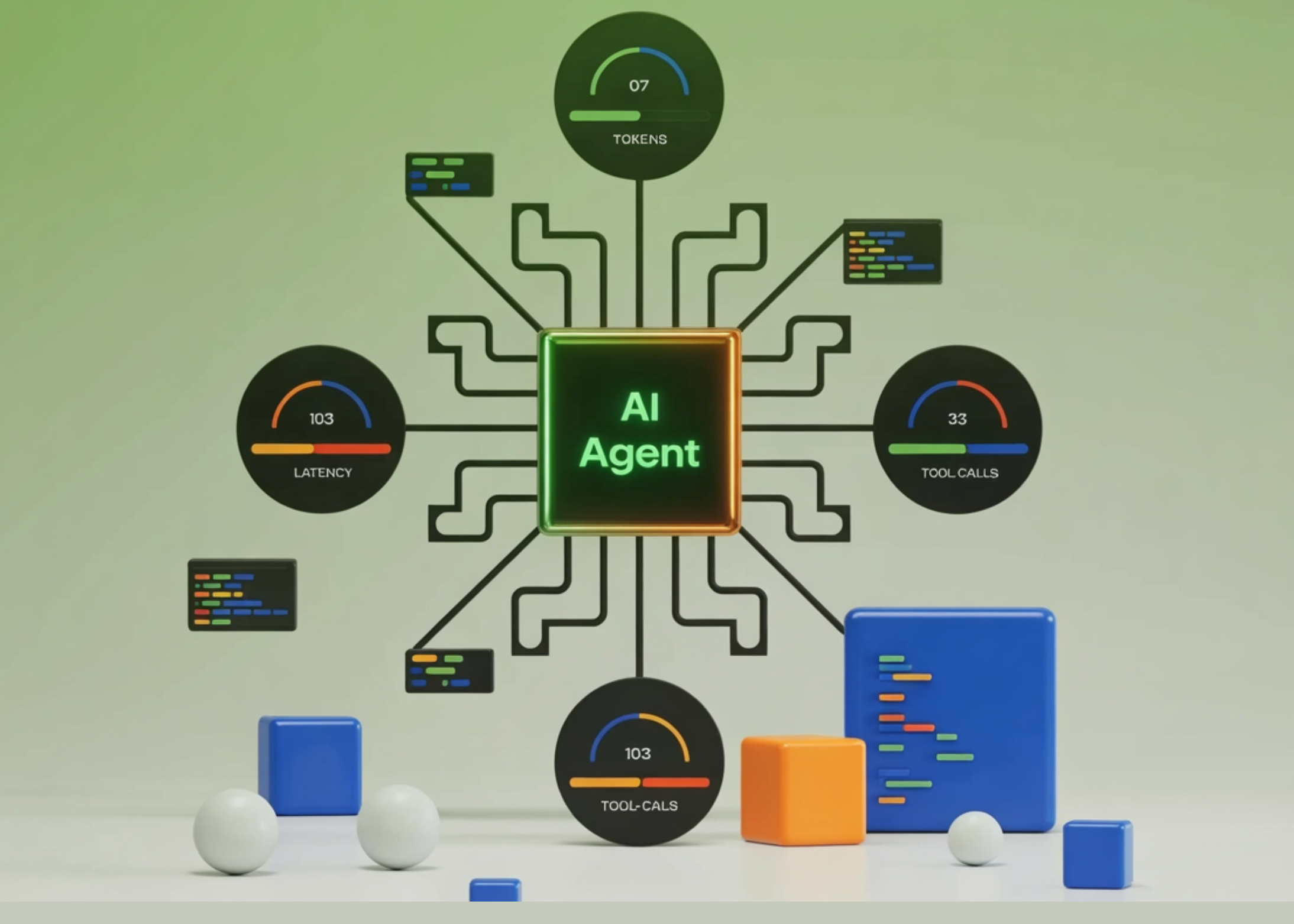
How an AI Agent Chooses What to Do Under Tokens, Latency, and Tool-Call Budget Constraints?

A recent development in AI involves creating a cost-aware planning agent capable of balancing output quality with real-world resource constraints such as token limits, latency, and tool-call budgets. This agent generates multiple candidate actions, estimates their expected costs and benefits, and selects an optimal execution plan that maximizes value while adhering to strict resource budgets, thereby enabling more efficient and reliable deployment in constrained environments. This approach marks a significant shift from traditional "always use the LLM" behavior, as it incorporates explicit reasoning about trade-offs, efficiency, and resource management. By designing agents that can reason about and optimize their actions based

Research
📄 Towards Data Science

Achieving 5x Agentic Coding Performance with Few-Shot Prompting

The article discusses how few-shot prompting techniques can significantly enhance the performance of large language models (LLMs), achieving up to a fivefold increase in agentic coding capabilities. By providing a small number of relevant examples within prompts, developers can improve the model's ability to generate accurate and contextually appropriate code, demonstrating a cost-effective method to boost LLM efficiency without extensive retraining.

Research
📄 Towards Data Science

Google Trends is Misleading You: How to Do Machine Learning with Google Trends Data

Google Trends remains a popular tool for analyzing large-scale human behavior, widely utilized by journalists and data scientists alike. However, a critical issue has been identified: the inherent properties of Google Trends data can easily lead to misuse, particularly in time series analysis and machine learning applications, often without users realizing the potential for misleading results. This revelation underscores the importance of understanding the data's limitations and applying appropriate preprocessing techniques to avoid spurious correlations or inaccurate models.

Google AI Machine Learning
Read More
General
📄 AI News

The quiet work behind Citis 4,000-person internal AI rollout

Citi has pioneered a comprehensive internal AI deployment by integrating artificial intelligence into daily operations across its organization, moving beyond traditional pilot projects to achieve widespread adoption among approximately 4,000 employees. This initiative was driven by the creation of "AI Champions" and "AI Accelerators" programs, which empowered staff from various departmentsincluding technology, operations, risk, and customer supportto become advocates and users of firm-approved AI tools, resulting in over 70% of Citi's global workforce actively utilizing AI in some capacity. The bank's strategy emphasizes people-centric adoption rather than solely focusing on technological deployment, providing employees

Page 15 of 130 • Showing articles 169-180 of 1560